


A Sustainable Christmas in Australia: A Simple Guide for First-Timers
By Banish · Published
A sustainable Christmas in Australia comes down to a few simple choices. Use what you already own, buy fewer things that last longer, wrap in ways that can be reused, plan your food so less gets binned, and send the tricky leftovers to the right place afterwards. You do not need to do everything this year. Pick two or three and build from there.
Updated October 2026. Written by the Banish team.
What does a "sustainable Christmas" actually mean?
It means thinking about where things come from and where they end up. Christmas is a time when a lot of stuff gets bought, used once and binned: wrapping, decorations, food, packaging. A sustainable Christmas is about cutting down on that without making the day less fun.
It is not about being perfect. Most people starting out try one or two changes and keep going the following year.
Where do I start if I have never done this before?
Start with what you already have. Before you buy anything, look through the cupboard for decorations, ribbon, gift bags and wrapping from last year. Then pick two or three changes from the list below. That is a real start.
Is a real or artificial tree more sustainable?
Honestly, it depends. An artificial tree you use for many Christmases spreads its impact over a long time. One that gets used for a single season and thrown out does not. A real tree can work well if it is dealt with properly afterwards. Many councils collect or mulch trees, but this varies, so check yours before you buy.
If you already own a tree, the most sustainable one is the one in your cupboard. If you have a garden, a potted tree you can bring back each year is another option.
What about decorations?
Reuse comes first. If you have a box of decorations you love, keep using it.
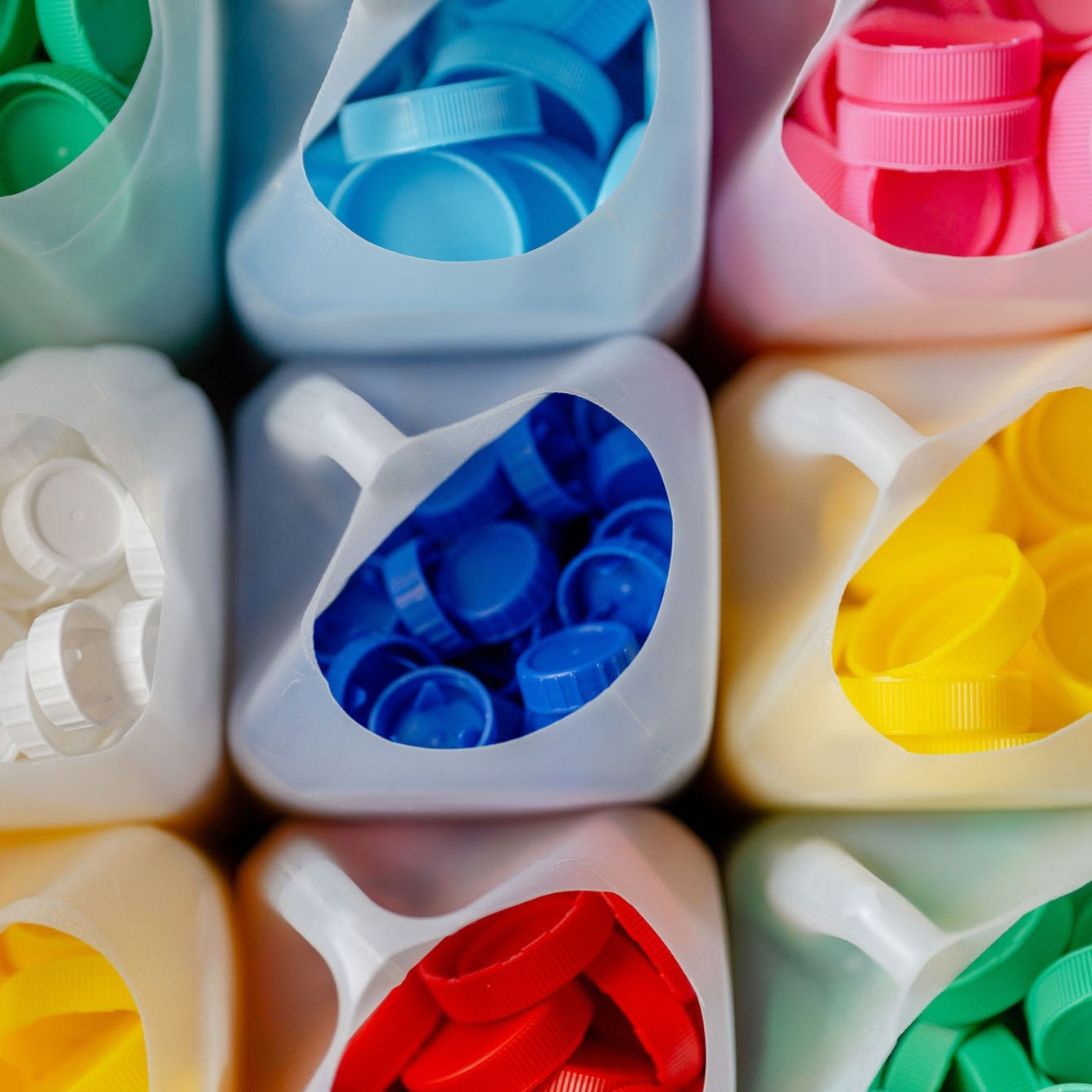
When you do buy new ones, choose decorations that will last and that were made from something that already existed. Our Christmas decorations are handmade in Sydney from recycled bottle top lids collected through BRAD. They are lightweight and durable, and made to last year after year. The Star Pack is a good place to start if you want something simple, and the Decoration Pack mixes stars, baubles, trees and candy canes.
Kids can help too. Paper stars, salt dough shapes and strings of dried orange slices cost almost nothing.
How do I choose gifts that do not end up as waste?
A good gift gets used. Think consumables someone will enjoy, practical things they have asked for, experiences, secondhand finds and handmade items. Asking people for a short wish list saves guessing.
Our sustainable Christmas gift guide has ideas. If you want something made from recycled materials, browse the Made From Bottle Top Lids collection. For delivery before Christmas, order by 18 December 2026.
How can I wrap presents with less waste?
Fabric, tea towels, scarves and paper bags from earlier in the year all work as wrapping, and the person you are giving to can reuse them. Plain paper is easier to recycle than glittery, foil or plastic-coated paper, which usually cannot go in paper recycling. Check your council's rules if you are unsure.
Instead of a plastic bow, tuck a small decoration into the wrapping. A star from the Star Pack, with its twine, doubles as a gift tag and a keepsake.
How do I waste less food at Christmas?
Plan the numbers before you shop. Freeze leftovers early rather than leaving them in the fridge until they turn. Compost scraps if you can. Our composting guide covers what can go in, and bokashi composting is a good option if you live in a unit. If your council has a FOGO bin, food scraps can go in there.
What should I recycle after Christmas?
Start with the basics. Our yellow bin guide explains what your kerbside bin takes and what it does not. Rules differ by council, so check yours.
Then deal with the awkward items. BRAD takes things your yellow bin cannot, including:
- Blister packs
- Small, empty skincare, haircare and body care products
- Single-use plastic plates, bowls, cups, cutlery and straws
- Writing pens, highlighters and markers
- Plastic bottle top lids
- Plastic bread tags
- Metal and aluminium coffee pods
- Plastic toothbrushes and dental packaging
BRAD does not accept perfume bottles, batteries or electronics. Read the full accepted items list before you pack a box.
A simple first-timer checklist
- Use what you already own before buying anything new.
- Choose a tree and plan what happens to it afterwards.
- Pick decorations and gifts you will still use next year.
- Wrap with fabric, paper bags or plain paper.
- Plan your food and compost the scraps.
- Save the awkward packaging for BRAD instead of the general bin.
Sort the awkward Christmas leftovers with BRAD
Blister packs, empty beauty packaging, single-use plates, cups and cutlery, pens and bottle top lids all pile up over the holidays. BRAD, the Banish Recycling and Diversion Program, takes them. See which BRAD option suits you.
Frequently asked questions
Do I need to buy new eco-friendly things for a sustainable Christmas?
No. Using what you already own is the most sustainable choice. Buy new only for things you need, and pick items made to last.
Is a sustainable Christmas more expensive?
It does not have to be. Reusing wrapping and decorations, planning food and choosing fewer, better gifts often costs less.
What is the single biggest change I can make?
Pick the one that suits your household. For many people that is buying fewer gifts that go unused, or cutting down on food waste. Start there.
What can I send to BRAD after Christmas?
Blister packs, small empty beauty packaging, single-use plates, cups and cutlery, pens, plastic bottle top lids, bread tags, metal coffee pods and more. BRAD does not take Christmas baubles, tinsel, perfume bottles, batteries or electronics.